The Beginner’s Guide to Weekend Backcountry Adventures
As an Amazon Associate, we earn from qualifying purchases.
January 25, 2026 - Reading time: 11 minutes
New to backcountry adventures? This beginner’s guide covers planning, gear, safety, and mindset for safe, rewarding weekend trips off the beaten path.
The Beginner’s Guide to Weekend Backcountry Adventures
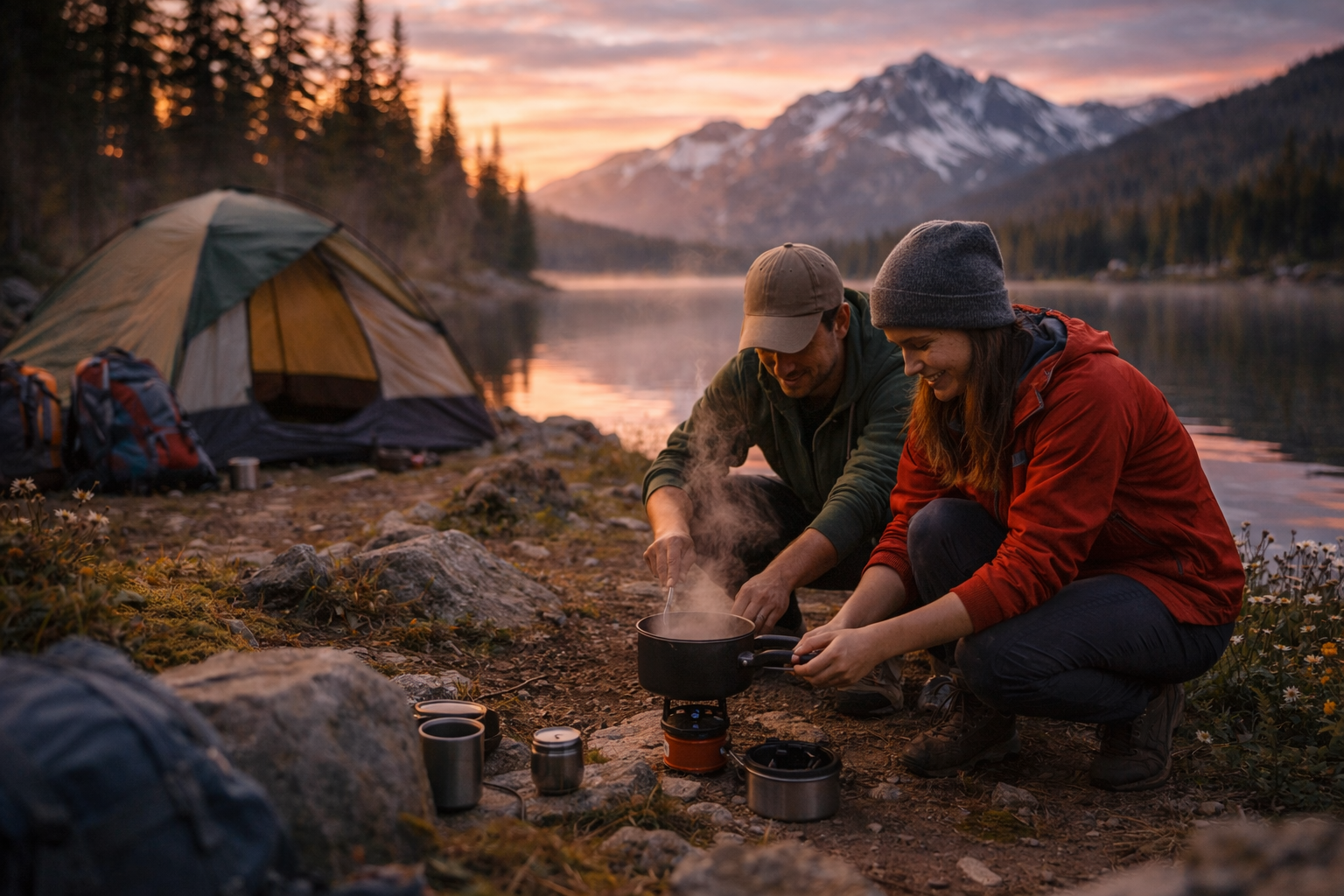
The idea of a backcountry adventure can feel intimidating at first. No cell service. No paved paths. No nearby convenience store. Just you, your gear, and the land around you. For beginners, that combination can spark excitement and hesitation in equal measure.
The truth is, backcountry adventures don’t have to be extreme, expensive, or reckless. In fact, some of the most rewarding outdoor experiences come from simple weekend trips just beyond the edge of civilization. With the right preparation, mindset, and gear, almost anyone can safely step into the backcountry and come back stronger, calmer, and more confident.
This guide is designed to help beginners take that first step, without overcomplicating the journey.
What “backcountry” really means (and what it doesn’t)
Backcountry doesn’t mean:
-
climbing remote peaks
-
surviving on the edge of disaster
-
disappearing for weeks at a time
For beginners, backcountry simply means traveling beyond developed campgrounds and heavily trafficked trails, even if it’s only a few miles in.
A weekend backcountry trip might look like:
-
a 3 to 6-mile hike to a quiet campsite
-
a single overnight near a lake or ridgeline
-
a short loop trail with dispersed camping
The goal isn’t distance or difficulty; it’s experience and self-reliance.
Why weekend trips are the perfect starting point
Short trips are ideal for beginners because they:
-
reduce risk
-
simplify planning
-
make gear mistakes manageable
-
build confidence quickly
You don’t need a week off work or elite fitness. A single overnight can teach you more than months of reading.
Backcountry skills grow best through repetition, not intensity.
Step 1: Choosing the right location
Your first backcountry destination should be:
-
well-documented
-
close to home
-
legally accessible
-
forgiving terrain
Look for:
-
national forests
-
state wilderness areas
-
beginner-friendly backcountry zones
Avoid:
-
high-exposure routes
-
technical terrain
-
remote areas with limited exit options
Confidence comes from familiarity; not pushing limits early.
Step 2: Planning without overthinking
A simple plan is safer than a complex one.
Before you go, know:
-
trail distance and elevation
-
water sources
-
weather forecast
-
regulations and permits
Share your plan with someone at home:
-
where you’re going
-
when you’re returning
-
who to contact if you don’t
That single step eliminates most worst-case scenarios.
Step 3: Essential gear for beginners (no excess)
You don’t need everything. You need the right basics.
Core backcountry essentials:
-
backpack
-
shelter (tent or tarp)
-
sleeping bag & pad
-
food & water system
-
navigation (map + compass)
-
appropriate clothing
Find Reliable beginner gear:
Sportsman’s Warehouse offers dependable, beginner-friendly outdoor gear without premium-only pricing.
Start simple. Upgrade later.
Step 4: Food that doesn’t complicate things
Food should be:
-
lightweight
-
simple
-
familiar
Great beginner options:
-
dehydrated meals
-
instant rice or pasta
-
trail mix
-
protein bars
Avoid trying gourmet cooking your first time out. Fuel matters more than flavor early on.
Find your Camp cooking & essentials:
Step 5: Navigation basics (even for short trips)
Never rely solely on your phone.
Beginners should always carry:
-
paper map
-
compass
-
basic understanding of terrain
You don’t need expert skills, just enough to:
-
orient yourself
-
identify major landmarks
-
return the way you came
🧭 Grab some Navigation & preparedness gear:
Navigation skills build confidence fast.
Step 6: Campsite selection and setup
Choose campsites that are:
-
flat
-
sheltered from wind
-
away from water edges
-
on durable surfaces
Set camp early if possible. Rushing setup creates mistakes and stress.
The backcountry rewards patience.
Step 7: Safety without fear
Safety isn’t about paranoia, it’s about awareness.
Key beginner safety habits:
-
monitor weather changes
-
pace yourself
-
eat and hydrate regularly
-
stop before exhaustion
You don’t need to fear the wilderness. You need to respect it.
The mindset beginners overlook
The biggest challenge for beginners isn’t physical, it’s mental.
Backcountry trips teach you to:
-
slow down
-
problem-solve calmly
-
sit with silence
-
trust yourself
Discomfort is part of learning. It doesn’t mean you’re failing, it means you’re adapting.
Why beginners often fall in love after one trip
Something changes when you:
-
wake up without noise
-
move at your own pace
-
carry only what you need
-
disconnect from constant input
Backcountry weekends don’t just teach outdoor skills, they reset perspective.
Common beginner mistakes (and how to avoid them)
-
Packing too much
-
Ignoring weather
-
Starting too late in the day
-
Overestimating mileage
Each mistake is a lesson. Keep trips short, reflect afterward, and adjust.
That’s how pioneers are made.
You don’t have to be an expert to step into the backcountry. You just need curiosity, preparation, and respect for the process.
Weekend backcountry adventures aren’t about escape; they’re about learning how capable you already are.
Start small. Stay humble. And let the outdoors teach you the rest.