Exploring National Forests Safely and Smart
As an Amazon Associate, we earn from qualifying purchases.
January 30, 2026 - Reading time: 11 minutes
National forests offer vast freedom and beauty, but also real risks. Learn how to explore national forests safely, responsibly, and confidently.
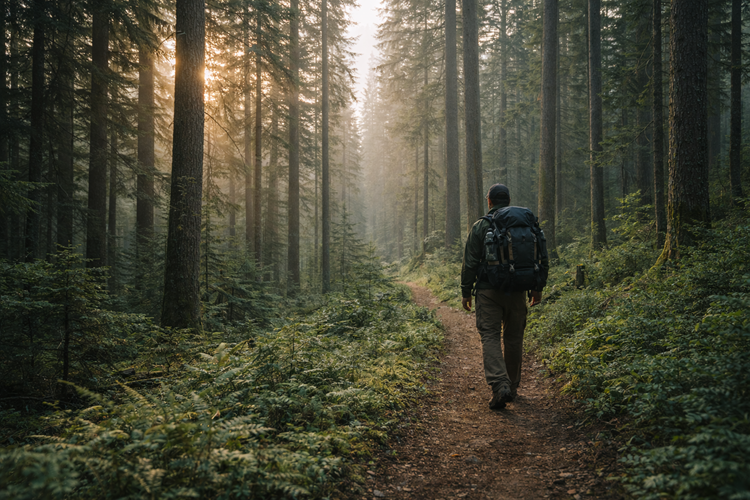
America’s national forests represent some of the most expansive and least restricted public lands in the country. With nearly 200 million acres open to exploration, they offer unmatched freedom, dispersed camping, endless trail systems, wildlife encounters, and the rare opportunity to experience true solitude.
But with that freedom comes responsibility.
Unlike national parks, national forests often lack heavy infrastructure, ranger presence, or clearly marked boundaries. Trails may fade, weather can change without warning, and help may be hours or days away. Exploring national forests safely isn’t about fear; it’s about awareness, preparation, and respect for the land.
This guide breaks down how to explore national forests smartly, responsibly, and confidently, whether you’re a beginner or building toward more remote adventures.
Understanding What Makes National Forests Different
Before stepping foot into a national forest, it’s critical to understand how they differ from other protected lands.
National Forests vs. National Parks
-
National Parks prioritize preservation and visitor services
-
National Forests balance conservation with recreation and resource use
That means:
-
Fewer marked trails
-
Less signage
-
More dispersed camping
-
Greater personal responsibility
You are often your own first responder in a national forest.
Start With Research, Not Assumptions
Many forest-related emergencies begin with a simple mistake: assuming the terrain is easy or familiar.
What to Research Before You Go
-
Forest boundaries and access roads
-
Trail conditions (if trails exist at all)
-
Weather patterns, not just forecasts
-
Fire restrictions and seasonal closures
-
Wildlife activity in the area
Forest Service websites and ranger district pages are essential resources. Unlike parks, conditions can vary widely even within the same forest.
Navigation Is Non-Negotiable
Cell service in national forests is unreliable at best and nonexistent at worst.
Smart Navigation Practices
-
Carry a physical map of the forest or region
-
Know how to read topographic features
-
Download offline maps to a GPS or phone
-
Mark trailheads, camps, and exit routes
A wrong turn in a national forest can quickly turn into miles of unplanned terrain.
Dress and Gear for Reality, Not Optimism
National forests don’t forgive poor gear choices. Even simple outings deserve intentional preparation.
Core Gear for Forest Exploration
-
Sturdy footwear with ankle support
-
Weather layers (even on warm days)
-
Ample water and filtration options
-
Emergency food
-
Headlamp or flashlight
-
First aid basics
Reliable footwear is especially important when trails are rocky, uneven, or unmaintained. Durable outdoor boots from Rocky Boots provide traction and stability that reduce injury risk.
A comfortable, well-balanced pack helps prevent fatigue and strain. Traditional designs from Duluth Pack are known for durability in rugged environments.
Understand Wildlife Without Fearing It
Wildlife encounters are a privilege, not a threat when approached correctly.
General Wildlife Safety
-
Never feed animals
-
Store food securely
-
Keep distance from all wildlife
-
Learn regional species behavior
In many forests, bears, elk, moose, and predators coexist peacefully with visitors who respect space and scent management.
Noise while hiking, clean camps, and situational awareness prevent most problems long before they arise.
Fire Safety Is Everyone’s Responsibility
Wildfires are one of the greatest risks in national forests for visitors and ecosystems alike.
Fire Safety Rules to Follow
-
Check current fire restrictions
-
Use established fire rings only
-
Never leave fires unattended
-
Fully extinguish fires with water, not dirt
-
Consider stove-only cooking during dry seasons
Lightweight, controlled cooking systems from Fire Maple reduce open flame risks while allowing hot meals in the backcountry.
Dispersed Camping: Freedom With Responsibility
One of the greatest draws of national forests is dispersed camping—camping outside developed campgrounds.
Smart Dispersed Camping Practices
-
Camp at least 200 feet from water sources
-
Avoid damaging vegetation
-
Pack out all waste
-
Choose durable surfaces
-
Leave no trace of your stay
Dispersed camping requires self-sufficiency and restraint. If an area shows signs of overuse, move on.
Weather Changes Faster Than You Expect
Mountains, forests, and valleys create microclimates that can turn calm days into dangerous situations.
Weather Awareness Tips
-
Watch cloud movement and wind shifts
-
Turn around early if storms approach
-
Carry rain protection even on sunny forecasts
-
Plan exit routes, not just destinations
Hypothermia and heat exhaustion can occur year-round depending on elevation and exposure.
Travel With Margin, Not Deadlines
Many forest incidents happen because people push forward when they should turn back.
Safe Time Management
-
Start earlier than you think you need to
-
Build buffer time into plans
-
Set turnaround times
-
Avoid night travel unless prepared
The forest doesn’t operate on schedules, and neither should you.
Solo vs. Group Exploration
Both have advantages, but beginners should understand the tradeoffs.
Solo Travel
-
Greater flexibility
-
Increased responsibility
-
Requires stronger navigation and decision-making skills
Group Travel
-
Shared gear and knowledge
-
Better emergency response
-
Requires coordination and communication
If exploring solo, consider leaving a detailed trip plan with someone you trust.
Emergency Preparedness Without Overthinking
You don’t need to plan for every disaster, but you should plan for the most likely ones.
Emergency Essentials
-
First aid kit
-
Emergency shelter or bivy
-
Whistle or signal device
-
Extra food and water
-
Headlamp with spare batteries
Preparation isn’t paranoia, it’s respect for uncertainty.
Practice Leave No Trace at All Times
National forests survive because people treat them as temporary guests.
Core Leave No Trace Principles
-
Plan ahead and prepare
-
Travel and camp on durable surfaces
-
Dispose of waste properly
-
Leave what you find
-
Respect wildlife
-
Be considerate of others
Every decision you make affects the next person and the forest itself.
Confidence Comes From Competence
Exploring national forests safely isn’t about limiting adventure. It’s about earning freedom through knowledge and preparation.
When you understand the land, respect its risks, and move with intention, national forests become places of clarity, growth, and connection, spaces where adventure feels earned, not borrowed.
At OutdoorPioneers.com, we believe the smartest adventurers aren’t fearless, they’re informed.