How to Choose Your First True Outdoor Adventure
As an Amazon Associate, we earn from qualifying purchases.
January 26, 2026 - Reading time: 8 minutes
Not sure where to begin outdoors? Learn how to choose your first true outdoor adventure based on skill level, gear, terrain, and personal goals.
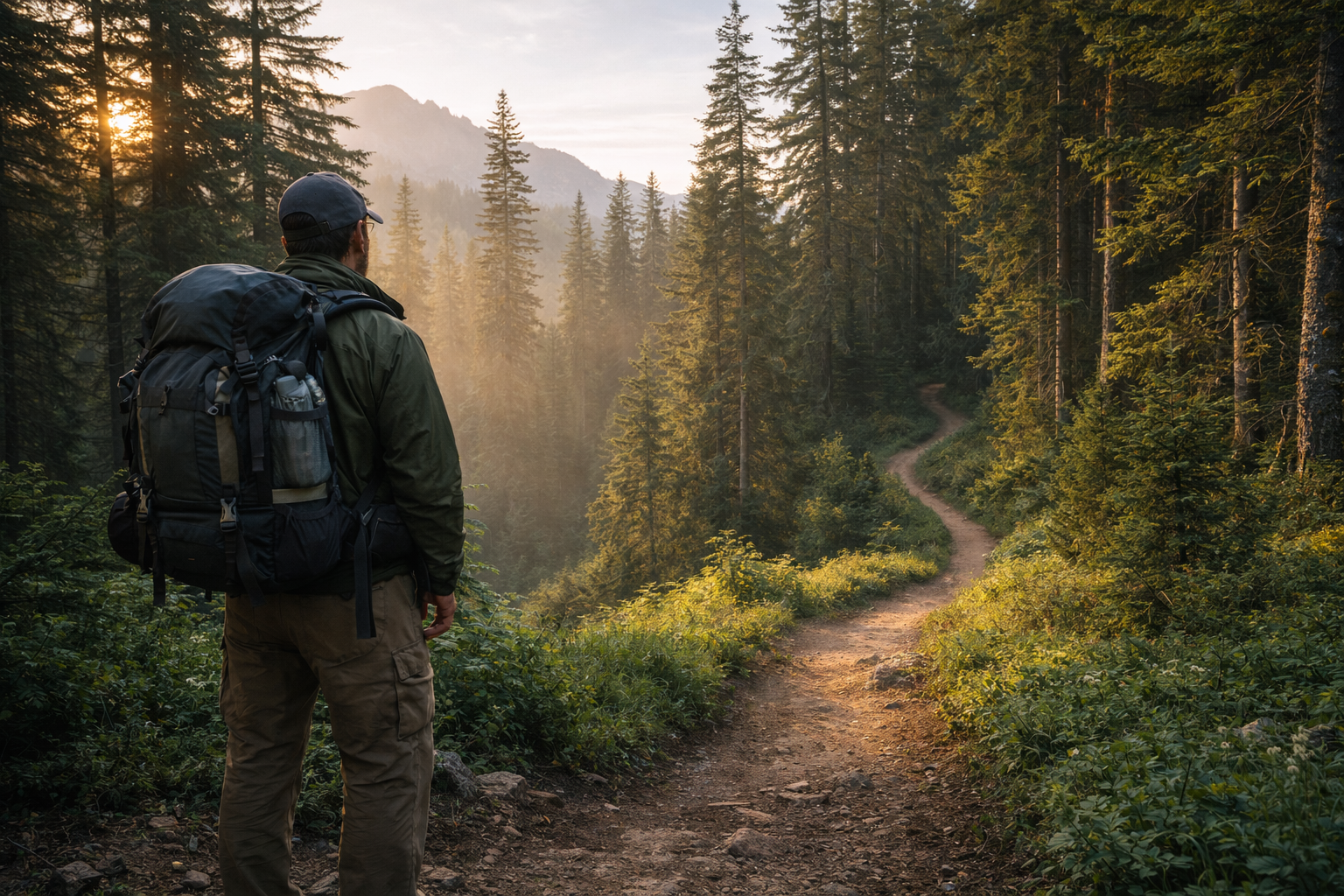
Your first true outdoor adventure is more than just a trip, it’s a turning point. It’s the moment when casual interest becomes intentional exploration, when stepping outside transforms into stepping forward.
For beginners, the biggest mistake isn’t choosing an adventure that’s too small. It’s choosing one that doesn’t fit. The right first adventure should challenge you just enough, spark curiosity, and leave you eager for more, not exhausted, discouraged, or underprepared.
This guide breaks down how to choose an outdoor adventure that matches your ability, interests, and long-term goals so your first experience becomes the foundation for a lifetime outdoors.
Step 1: Define What “Adventure” Means to You
Adventure looks different to everyone. Before choosing where to go, clarify why you want to go.
Ask yourself:
-
Do you want peace and solitude, or adrenaline and movement?
-
Are you drawn to mountains, forests, water, or desert?
-
Do you prefer day trips or overnight experiences?
Common Beginner Adventure Types
-
Day hiking
-
Car camping
-
Backpacking (short distance)
-
Fishing or paddling trips
-
Wildlife exploration and photography
For most beginners, day hiking or car camping provides the best balance of safety, simplicity, and immersion.
Step 2: Match the Adventure to Your Current Skill Level
The outdoors rewards honesty. Overestimating your ability is the fastest way to turn excitement into frustration.
Beginner-Friendly Indicators
-
Well-marked trails or established campsites
-
Access to parking or trailheads
-
Cell service nearby (not required, but helpful)
-
Moderate elevation gain
-
Clear weather windows
Start with adventures that allow easy exit options. Confidence grows fastest when mistakes don’t carry high consequences.
Step 3: Choose Terrain That Teaches Without Punishing
Every environment teaches different skills.
Terrain Breakdown
-
Forests: Navigation, footing, wildlife awareness
-
Mountains: Elevation management, weather awareness
-
Deserts: Heat management, hydration discipline
-
Coasts: Weather shifts, slippery terrain, timing tides
For first-time adventurers, forested trails or rolling foothills are ideal learning environments.
Step 4: Gear Should Support You, Not Complicate Things
Your first adventure does not require elite gear. It requires reliable basics.
Core Beginner Gear Essentials
-
Proper footwear
-
Comfortable pack
-
Weather-appropriate clothing
-
Food, water, navigation
Footwear matters most. Quality boots reduce fatigue, prevent injury, and increase confidence on uneven terrain. Durable, trail-ready options from Rocky Boots are a solid starting point for beginners.
For packs, simplicity beats complexity. Traditional, well-balanced designs from Duluth Pack offer durability without unnecessary features that overwhelm new users.
Step 5: Decide Between Solo or Supported Adventures
Your first outdoor adventure doesn’t have to be alone.
Beginner Options
-
Hiking with a friend
-
Joining a guided day trip
-
Visiting a popular national or state park
-
Using well-reviewed trail systems
For those who prefer structured experiences, guided outdoor activities can remove uncertainty while still delivering real adventure. Platforms like GoWithGuide offer beginner-friendly, locally led outdoor experiences.
Step 6: Plan for Comfort, Not Just Survival
Discomfort teaches lessons, but too much discomfort ends journeys early.
Comfort Considerations
-
Layered clothing
-
Reliable hydration
-
Simple food solutions
-
Rest breaks
For longer day trips or introductory overnights, lightweight cooking systems from Fire Maple allow warm meals without excess weight or complexity.
Step 7: Start Small: But Think Long-Term
Your first adventure is not your final destination. It’s your starting line.
The goal is to finish your first outing thinking:
“I could do this again… and maybe go a little farther next time.”
Choose experiences that:
-
Build transferable skills
-
Encourage curiosity
-
Create positive memories
-
Leave room for progression
The Right First Adventure Changes Everything
The outdoors doesn’t demand perfection. It rewards preparation, humility, and curiosity.
Your first true outdoor adventure should feel achievable, meaningful, and empowering. When chosen wisely, it becomes the reference point for every journey that follows.
At OutdoorPioneers.com, we believe adventure begins the moment you decide to step outside with intention. Choose wisely and welcome to the trail ahead.